
The Danger of Dreams: Marājiʿ Oppose Myth-Based Preaching on Shia Pulpits
ADVISORIES OF MARĀJIʿ & MUJTAHIDĪN AGAINST PRESENTATION AND PROMOTION OF DREAM-BASED EVIDENCE IN MAJĀLIS (LECTURES)
As if the alarming amounts of anti-Qur’ānic, inauthentic, fabricated narratives...
Imam ʿAlī’s (as) own view of Leadership: Divine Appointment or Shūrā-based...
A Critique of the Current-day Popular Shīʿa Narrative on Divine Appointment of Amīr al-Mu’minīn Imam ʿAlī bin Abī Ṭālib (as)
The current-day, popular narrative on...
But we don’t consider them Gods!
An argument made by the proponents of invocation or supplication to the Prophet ﷺ or the awliyā’ when answering those who contend that the...
Why is Dua to ‘Other than Allah’ forbidden across Ghayb (unseen)?

Download PDF
WHY IT IS CRUCIAL TO USE THIS PHRASE WHEN APPROACHING QUR’ĀNIC VERSES ABOUT DUʿĀ’ AND ISTIGHĀTHA.
The phrase ‘across the curtain of Ghayb (barrier...
Waṣiyyah of Imām ʿAlī (as) on his deathbed.
The waṣiyyah of Imam ʿAlī (as) is a profound testament to his commitment to the core teachings of Islām, emphasizing the importance of tawḥīd, the prophethood of Muḥammad ﷺ, and the ethical and moral principles outlined in the Qur’ān. Despite being transmitted in both Shīʿa and Sunnī sources, the waṣiyyah remains free from sectarian additions, focusing instead on universal Islāmic values. It serves as a reminder of the pre-sectarian and non-sectarian Islam that Imam ʿAlī upheld, urging Muslims to unite under the banner of faith and piety.
How reliable is our Hadith Corpus? | Ayatullah Sayyid Kamal Al-Haydari
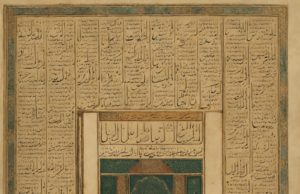
In a crucial video, Ayatullah Sayyid Kamāl al-Ḥaydarī sheds light on the challenges of the Twelver Imāmī Ḥadīth corpus. He cautions against accepting fabricated narrations that support exaggerated beliefs about Imams. Al-Ḥaydarī refutes claims that classical scholars effectively filtered out fabrications, suggesting instead that they exacerbated the issue. He emphasizes the use of the Qur’ān to discern authentic narrations, as advocated by the Imams.
How authentic is the Hadith of the Twelve Caliphs after the...
This paper delves into the famous ‘12 Caliph/Ruler’ Hadith cited in Sunni sources, often used to support the Twelver Imami belief regarding the Imamate lineage after Prophet Muhammad (s). Further, it critically evaluates Sunni Hadith scholarship’s view on its authenticity and explores Twelver Imami sources, arguing that the Hadith was never thought to refer to their Imams by the early Shia, primarily because of its text being tailored to prop up Umayyad legitimacy rather than that of the Ahlul Bayt (as).
Dua to other than Allah? Tawassul or Istighathah?
Exploring the practice of Dua to entities other than Allah, this article investigates concepts like Tawassul and Istighathah within Islamic theology. It delves into the theological debates surrounding these practices, examining their validity in light of clear-cut teachings of Quran and Ahl al-Bayt. Through critical analysis, it seeks to provide clarity on the permissibility and boundaries of such supplications, fostering a deeper understanding of Islamic beliefs and practices related to invoking divine assistance.
Did the Aimmah (AS) know the deeper meaning (Ta’wil) of every...
This article explores the extent of the Prophet Muhammad's and subsequent Imams' knowledge regarding the deeper interpretations (Ta’wil) of Quranic verses. It examines the varying opinions among Islamic scholars regarding the scope of their understanding, referencing Hadiths and historical accounts. While some scholars argue for the comprehensive knowledge of the Prophet and Imams in all matters, including Ta’wil, others assert that their understanding was limited to what was explicitly revealed to them.
Did the Prophet (s) and the Aimmah (as) have knowledge of...
This post continues the theological exploration initiated in Part 1, probing into the extent of knowledge possessed by Prophet Muhammad and the Imams in Shia Islam. Building upon Quranic verses, Hadiths, and scholarly interpretations, it delves deeper into the nuances of 'ilm al-ghayb (knowledge of the unseen) and its implications. It prompts readers to reflect on the complexities of prophetic knowledge and its significance within Islamic belief, encouraging a nuanced understanding of the roles of the Prophet and the Imams in guiding the Muslim community.